safety tips
For Extreme Winter Weather

Don’t wait for the storm
Be Ready When It Arrives
Winter brings more than just a chill; it can bring extreme conditions like ice storms and freezing temperatures that impact your home and power supply. Before the forecast drops, take a moment to prepare. Ensure your family has an emergency kit stocked with essentials, keep your mobile devices charged if a storm is approaching, and stay updated on local weather alerts. Being proactive helps you weather the storm safely so you can focus on staying warm and cozy.
ready your checklist
Winter Emergency Kit
When extreme weather strikes, having a kit ready can make all the difference. Make sure you have these essentials on hand:
- Lighting: Flashlights with extra batteries or battery-powered lanterns (avoid candles to prevent fire risks).
- Power: Fully charged portable power banks for your phones and essential electronics.
- First Aid: A basic first aid kit with bandages, antiseptic, and any necessary prescription medications.
- Water & Food: A 3-day supply of non-perishable food (granola bars, canned goods) and one gallon of water per person per day.
- Warmth: Extra blankets, sleeping bags, and warm clothing (layers, hats, gloves).
- Info: A battery-powered or hand-crank weather radio to stay informed if cell service is interrupted.

Safety is key
Fire Hazards
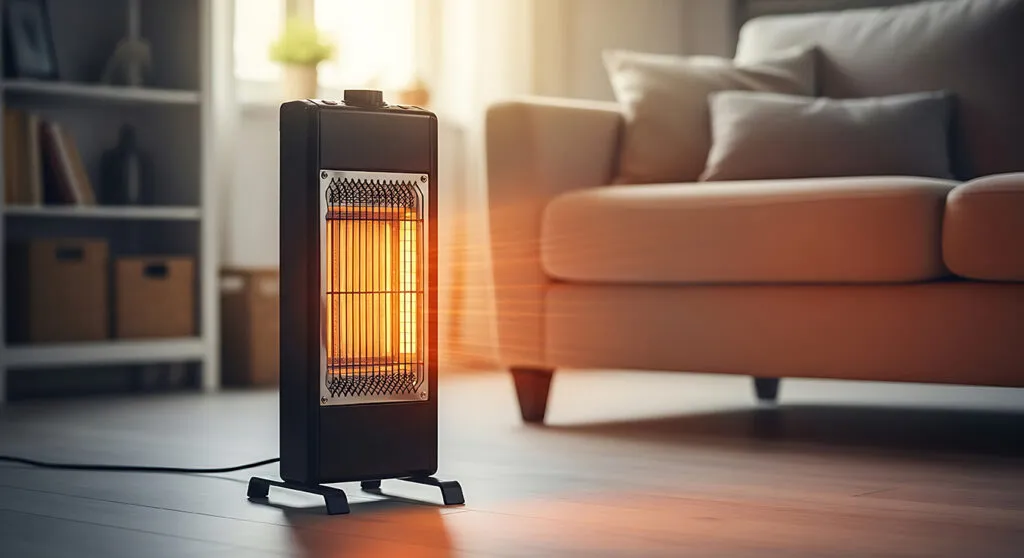
Winter is a peak time for home fires. With frigid temps, you might be reaching for space heaters or lighting candles. Keep your home safe with these critical reminders:
- Space Heater Safety: Space heaters cause 1/3 of home heating fires. Use them only for supplemental heat on level surfaces, keeping them away from furniture, curtains, water, children and pets.
- Candles: Never leave candles unattended. Blow them out before leaving the room or going to sleep.
- Fireplaces: Maintain proper ventilation around fireplaces to prevent smoke and gas buildup.
Use with caution
Generator Safety
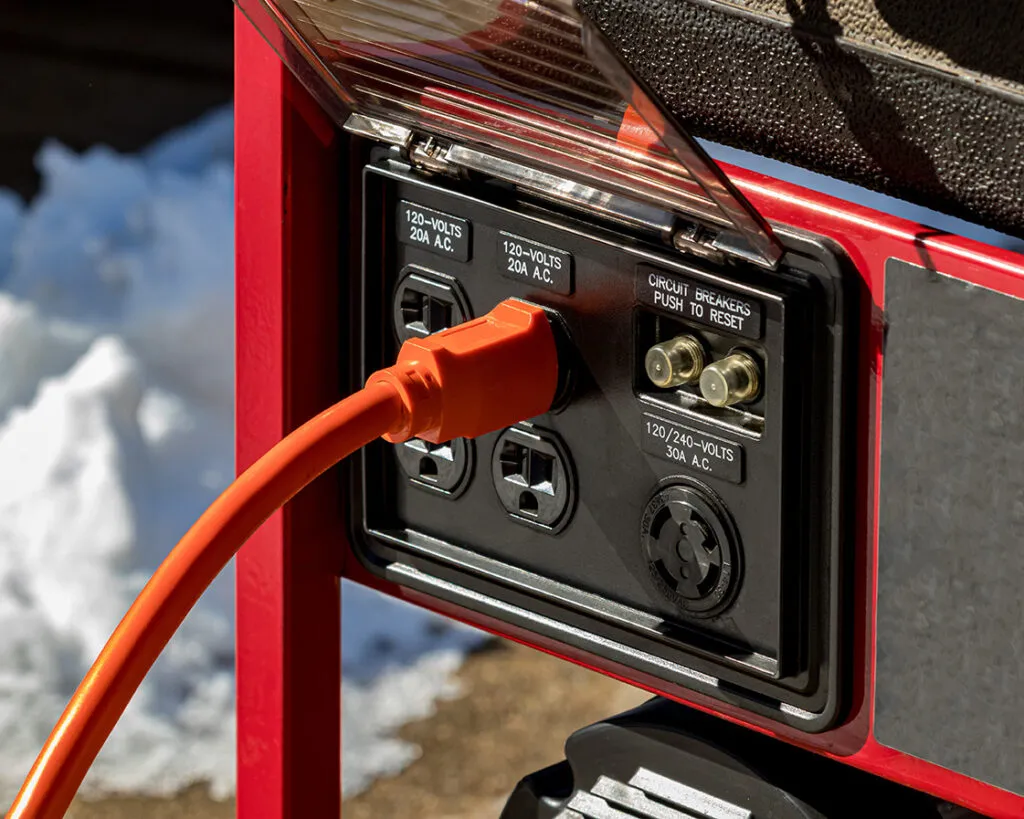
Portable generators are useful during winter storms, but if not used safely, they can cause injuries and death.
- Location Matters: Use portable generators outdoors in well-ventilated areas away from all doors, windows, and vents. Never run them inside a home, garage, or shed.
- Carbon Monoxide: Generators produce odorless, deadly gas. Make sure you have working carbon monoxide alarms in your home.
- Stay Dry: Do not use a generator in a wet area, as this can cause shock or electrocution. Operate it on a dry surface, protected from rain and snow (under an open canopy-like structure if needed).
- Connect Safely: Connect appliances to the generator with heavy-duty extension cords. Never plug a generator directly into a wall outlet, as this creates a “backfeed” risk for utility workers.
- Refuel with Care: Do not fuel your generator when it is running. Spilling gas on a hot engine can cause a fire. Turn it off and let it cool before adding fuel.